
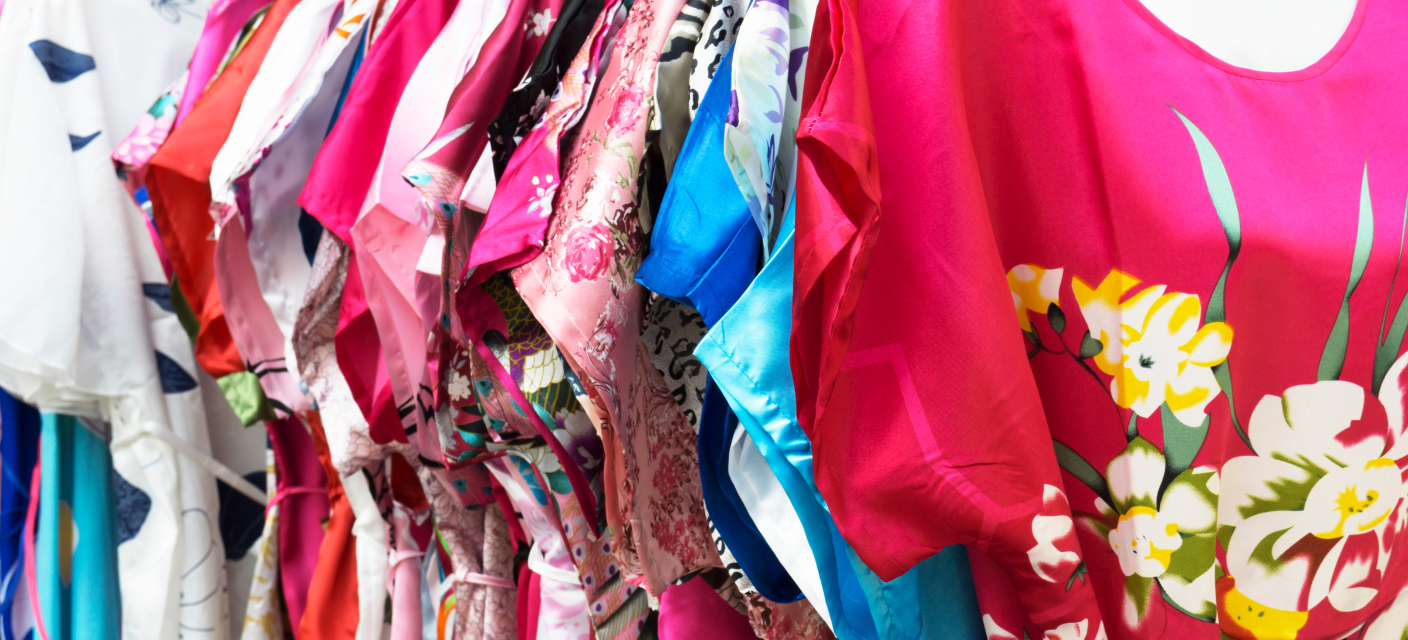
Spring cleaning is the perfect time to refresh your wardrobe, rotate seasonal pieces, and finally take care of the items you’ve been avoiding.
But if you have silk, you already know: it’s not the kind of fabric you can treat like everything else.
Silk is elegant, lightweight, breathable, and beautiful — but it’s also one of the easiest fabrics to accidentally damage during spring cleaning. The wrong detergent, too much agitation, or even improper storage can permanently change the texture, color, and shape.
So if you’re in Snellville and you’re pulling your silk blouses, dresses, scarves, or special occasion pieces out of the closet — this guide is for you.
Why Silk Needs Special Care
Silk is a natural protein fiber. That means it behaves more like hair than cotton.
It’s sensitive to:
- Heat
- Harsh chemicals
- Excessive friction
- Sunlight exposure
- Improper storage
- Sweat and body oils left untreated
Spring cleaning is often when silk gets damaged because people try to:
- “Freshen it up” quickly
- Wash it like cotton
- Steam it aggressively
- Hang it in direct light
- Use stain removers meant for synthetic fabrics
Step 1: Sort Your Silk Items the Right Way
Before you do anything, take your silk pieces out and sort them into three piles:
Pile 1: Clean and Ready to Store
These are items that look and smell fresh, with no visible stains.
Pile 2: Worn but Not Stained
These pieces might not look dirty, but they’ve been worn — meaning they likely have invisible body oils, perfume residue, deodorant, or sweat.
Pile 3: Stained or Discolored
Anything with:
- Yellowing
- Makeup
- Wine
- Grease
- Water marks
- Perfume rings
- Darkened collar or underarm areas
This pile should never be “spot-treated” with random products. Silk can set stains permanently if treated incorrectly.
Step 2: Read the Care Label — But Don’t Trust It Completely
Yes, you should always check the care label — but silk labels can be misleading.
Here’s what you’ll commonly see:
“Dry Clean Only”
This is the safest option for most silk garments, especially:
- Structured pieces
- Lined dresses
- Pleated silk
- Printed silk
- Anything with embellishments
“Hand Wash Cold”
This doesn’t mean it’s easy. It means it can be done carefully — but it’s still high risk if you don’t know what you’re doing.
“Do Not Dry Clean”
This is less common, but it’s usually found on:
- Certain silk blends
- Pieces with coatings
- Items with special finishes
If you’re unsure, this is where a professional dry cleaner in Snellville can save you from ruining a favorite piece.
Step 3: Never Use Traditional Stain Removers on Silk
This is one of the biggest mistakes people make during spring cleaning.
Avoid products like:
- OxiClean
- Bleach (even diluted)
- Spray-and-wash
- Hydrogen peroxide
- Dish soap
- “Whitening” sprays
- Enzyme detergents
Even if the stain seems to lift at first, these products can:
- Strip dye
- Leave permanent water rings
- Weaken the silk fibers
- Cause uneven fading
- Create shiny patches
Step 4: Don’t “Refresh” Silk With Heat
A lot of people try to freshen silk by:
- steaming it aggressively
- using a hot iron
- putting it in the dryer for 5 minutes
- blasting it with a hair dryer
Unfortunately, silk doesn’t forgive heat.
Safe alternatives:
- Light steaming from a distance (if the label allows)
- Hanging in a bathroom with indirect steam (not touching water)
- Professional pressing (best option for structured garments)
Step 5: Store Silk the Right Way for Spring and Summer
Once your silk is cleaned, storage matters just as much as cleaning.
Best practices for storing silk:
Store in a breathable garment bag (not plastic)
Use padded hangers to avoid shoulder bumps
Keep away from sunlight
Store in a cool, dry place
Use acid-free tissue paper for folded pieces
Avoid:
Plastic dry cleaning bags
Wire hangers
Tight closet spaces
Cedar blocks touching the fabric
Damp basements or hot attics
Step 6: Know When to Bring Silk to a Professional Cleaner
If you want your silk to last for years, professional care is often the smartest move — especially for pieces that are:
- sentimental
- expensive
- vintage
- delicate
- stained
- lined
- printed
- pleated
At Deeya Cleaners, we see a lot of silk damage that happens during spring cleaning — usually from well-intentioned DIY attempts.
And in many cases, once silk is damaged, it’s not reversible.
Common Silk Problems And How to Avoid Them
Here are the top silk issues that show up during spring cleaning season:
1. Underarm discoloration
Even if it looks “fine,” deodorant buildup and sweat can oxidize over time.
2. Water rings
Silk can show water marks easily, especially around the neckline and hem.
3. Perfume stains
Perfume contains alcohol and oils that can discolor silk.
4. Shiny patches
Usually caused by ironing too hot or pressing too hard.
5. Shrinkage
Silk can shrink or warp if washed improperly.
A Simple Spring Cleaning Checklist for Silk
If you want a quick, safe way to handle your silk this season, use this checklist:
- Pull all silk items out of the closet
- Separate worn pieces from truly clean pieces
- Check for stains in natural light
- Do not spot treat with store-bought stain removers
- Avoid heat and dryer “refreshing”
- Store only after cleaning
- Use breathable storage (no plastic)
- Bring delicate, stained, or sentimental pieces to Deeya Cleaners
Let Deeya Cleaners Help You Protect Your Silks This Spring
Spring cleaning is supposed to feel like a reset — not a fabric disaster.
If you’re in Snellville and you want your silk pieces cleaned, refreshed, and properly finished without risk, Deeya Cleaners can help.
We treat fine garments with the attention they deserve, so you can feel confident putting them away — or wearing them again all season long.
Ready to refresh your fine silks?
Bring your pieces into Deeya Cleaners in Snellville and we’ll help you get them spring-ready the right way.
Stop by today or contact us for garment care recommendations.