
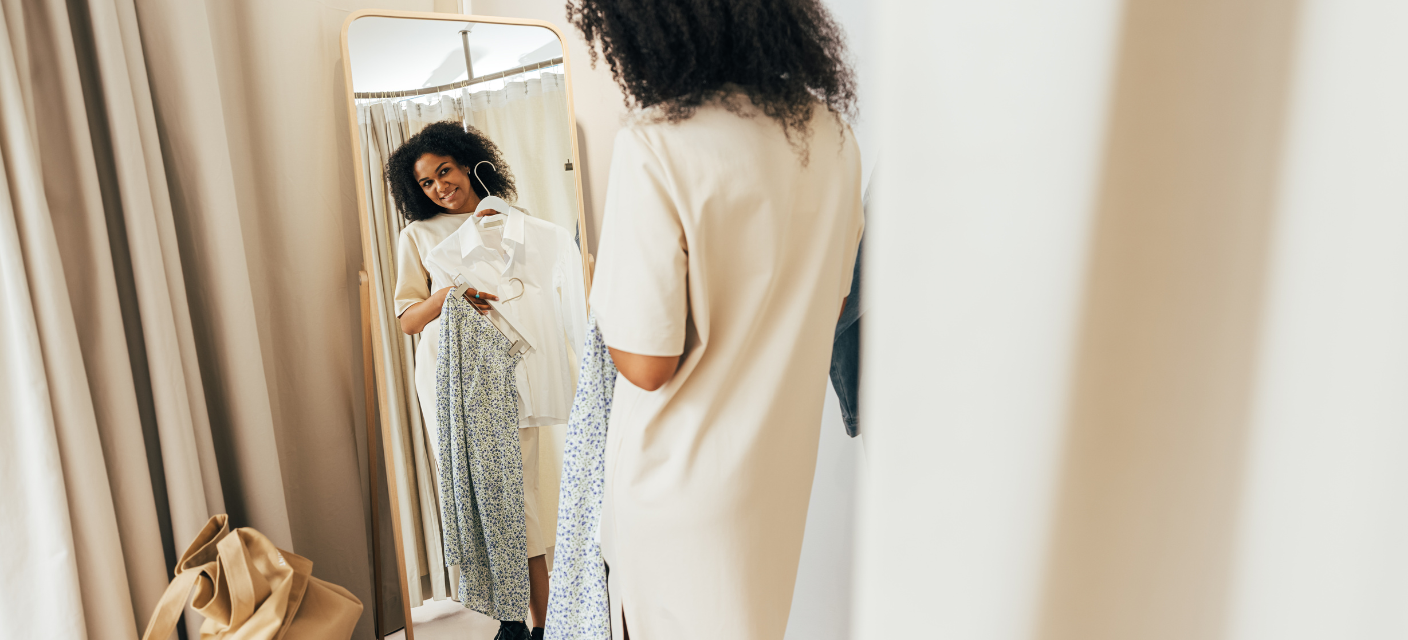
Most wardrobes don’t need a total overhaul. They need better fit.
When clothing fits the way it was meant to fit your body—your proportions, your posture, your lifestyle—it immediately looks more polished, feels more comfortable, and gets worn more often. Professional alterations are the fastest, most underrated way to make “fine” clothing feel like your favorite clothing.
Below is a practical, tailor-minded guide to what alterations can do, which changes deliver the biggest payoff, how to tell what’s worth altering, and how to get the best result when you visit a professional.
What alterations really change
Most people think alterations are just hemming pants. Hemming is useful, but it’s only one tool.
Professional alterations can reshape a garment so it complements you rather than fighting you. That transformation typically shows up in four areas:
1) Proportion
Length changes (pants hems, sleeve hems, dress hems) affect how tall you look, where the eye lands, and whether an outfit reads intentional or accidental.
2) Silhouette
Taking in or letting out through the waist, seat, or torso changes the overall line of a piece—whether it skims, hugs, or hangs.
3) Balance
Adjusting sleeves, shoulders, or pant taper can make an item look “right” even if you can’t immediately articulate why. When balance is off, clothes can look sloppy even if they’re expensive.
4) Comfort and movement
A garment that looks good but restricts you won’t get worn. Small changes—like a waistband adjustment, sleeve width tweak, or minor darting—can make clothing feel effortless.
The outcome is simple: you stop “managing” your clothes all day (pulling, tugging, readjusting) and start wearing them.
The highest-impact alterations
If you want maximum wardrobe improvement without overthinking it, start here.
Hemming: the quickest visual upgrade
A clean, correct hem instantly elevates pants, jeans, dresses, skirts, and sleeves. Dragging hems look worn out; too-short hems can look unintentional (unless that’s the style you’re intentionally going for).
Tip from the shop floor: bring the shoes you actually wear with that item (or your closest match in heel height). Hem length is a styling decision, not a math problem.
Waist shaping: the “custom-made” effect
Taking in a waistband, adding darts, or shaping the torso of a blouse, dress, or blazer can turn a boxy garment into a flattering one. This is especially powerful for:
- button-down shirts that gap at the bust
- dresses that fit in one area but float in another
- blazers that feel “big” even in the right size
Sleeve length: small change, major polish
Sleeves that are too long make an outfit look borrowed. Sleeves that are slightly shortened often make the whole garment look like it belongs to you.
For suiting, a commonly cited guideline is showing about 1/4″ to 1/2″ of shirt cuff beyond the jacket sleeve (though personal style can override rules).
Pant tapering: modernizes the entire look
If pants fit in the waist and seat but look wide or sloppy through the leg, tapering can make them look current and intentional. This is a frequent “hidden win” alteration: people see the improvement, but they can’t quite pinpoint why you suddenly look sharper.
Repairs that save favorites
Zippers, torn seams, popped hems, missing buttons, lining repairs—these don’t just fix clothing; they keep your best pieces in rotation. A professional can often reinforce stress points so a garment lasts longer, especially in high-friction areas.
What’s worth altering and what isn’t
A good alterations specialist won’t push you into work that doesn’t make sense. Here’s a decision framework you can use before you ever walk in.
“Yes, alter it” when:
- You love wearing it (or you would, if it fit better).
- The fabric and construction are solid. Good materials and clean seams tend to respond well to skilled alteration.
- The issue is specific. Length, waist fit, sleeve length, minor shaping—these are often high-confidence fixes.
- Replacement would be a headache. Finding another item you like as much can take more time (and money) than you think.
“Proceed carefully” when:
- Shoulders don’t fit in structured garments (like blazers). Shoulder work can be complex and may not be cost-effective depending on the piece.
- You’re asking to change the garment’s entire design (e.g., turning a maxi into a mini with a different silhouette, or changing a jacket’s structure). Sometimes it’s doable; sometimes it becomes a rebuild.
“Probably skip it” when:
- The garment is low quality and already pulling, twisting, or pilling badly.
- The fit is wrong everywhere and would require extensive reengineering.
- The fabric is so fragile or degraded that it may not withstand being opened and resewn.
If you’re unsure, bring it in anyway. A reputable tailor will tell you plainly what’s realistic.
The fitting appointment: how to get the best result
Professional alterations work best when you treat the fitting like a collaboration. Your alterations specialist is translating your preferences into precise changes—so give them clear inputs.
Bring these items
- The shoes you’ll wear most often with the garment (critical for hems).
- The undergarments that affect fit (especially for dresses, skirts, and formalwear).
- A belt if you typically wear one with the pants.
- A reference photo if you’re aiming for a specific silhouette (helpful, not required).
Use clear, practical language
Instead of “I want it more flattering,” try:
- “I want it to skim, not cling.”
- “I want to be able to sit comfortably without pulling.”
- “I want the hem to hit right above the shoe.”
- “I like a cleaner ankle with less fabric stacking.”
Expect pinning and marking
Pinning can feel dramatic. Remember: pins show the direction and amount of change—it’s not the finished look. A skilled tailor accounts for seam allowances, fabric behavior, and how the garment moves when sewn.
Alterations as a sustainability strategy
If you want a wardrobe you genuinely wear, alterations are one of the most practical “sustainable fashion” actions available: make what you already own work better.
A few relevant data points put this into context:
- In the U.S., landfills received 11.3 million tons of municipal solid waste textiles in 2018, according to EPA data.
- WRAP’s research indicates that extending the active life of clothing by nine months can reduce carbon, water, and waste footprints by up to 20%.
You don’t need to become a minimalist or swear off shopping. But if one or two strategic alterations turn five “meh” items into five “yes” items, you’ve changed your wardrobe’s efficiency in a very real way.
A simple “Tailoring Plan” to transform your closet in a month
If you want structure, here’s a straightforward approach that works well.
Step 1: Pull 10 items you want to wear more
Not the things you feel obligated to fix. The things you’d actually reach for if they felt right.
Step 2: Sort them into three piles
- Easy wins: hems, waist, minor sleeve shortening, button moves, simple repairs
- Needs evaluation: blazers, lined garments, formalwear, anything with shoulder or major structure issues
- Let it go: poor fabric, poor construction, or a garment you don’t even like
Step 3: Start with 3–5 “easy win” items
You’ll see results fast, and you’ll build trust in the process.
Step 4: After the first round, reassess the rest
Often, once your anchor pieces fit well (your best jeans, your go-to blazer, a favorite dress), the rest of your closet becomes easier to style—and you’ll make better decisions about what’s worth altering next.
Frequently asked questions I hear all the time
Will it still look ‘factory made’ after alterations?
A professional alteration should look like it was always that way—clean stitching, smooth lines, good pressing, and balanced proportions. Pressing is a major part of the finished result.
Should I wash or dry clean it first?
If it’s new, remove tags but keep receipts until you’re sure you’ll keep it. If it’s been worn, bring it in clean, especially if it’s something a tailor will be handling closely (waistbands, underarms). For items that may shrink, talk with your cleaner/alterations specialist about whether cleaning should happen before final hemming.
What’s the difference between a tailor and a seamstress?
The terms overlap in everyday use. The key is experience and specialization. Ask what kinds of garments they alter and look for consistent, quality workmanship.
The real takeaway
Professional alterations don’t just “fix” clothing. They make your wardrobe work—for your body, your day-to-day comfort, and your personal style. If you’re not sure where to start, start with hems and one piece you already love. Once you feel what “proper fit” does, it becomes hard to unsee—and your closet starts getting easier to wear.